AI overview
A public charger earns from how fast it delivers power and how many drivers use it. In Perth, DC fast charging sells for about 65 to 70c per kWh against about 30c per kWh to deliver, and a busy shopping centre DC charger can clear around $210 a day. The same charger costs $60,000 to $120,000 installed depending on how far the power has to travel, and most public chargers pay back in 4 to 8 years.
Key highlights
- DC fast charging sells for about 65 to 70c per kWh in Perth
- A busy shopping centre DC charger can clear about $210 a day
- The top Perth DC sites bring in more than $10,000 a month
- Installed cost runs from $60,000 to $120,000 for the same charger
- Most public chargers pay back in 4 to 8 years
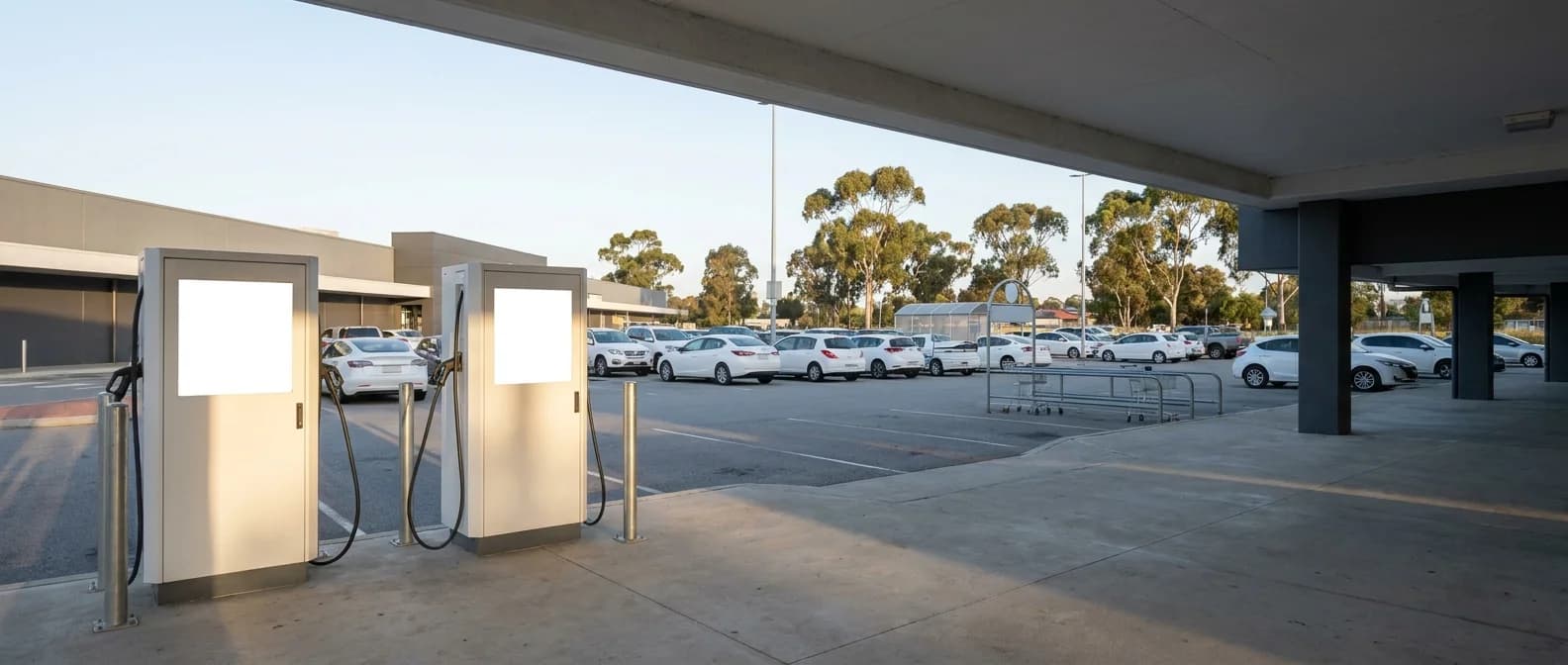
- Chargers earn most where drivers stay 30 minutes or more, such as shopping centres
 Free PDF · 7 pagesPublic EV Charging in Perth: Earnings, Costs and PaybackDownload the PDF guide
Two Things Decide What a Public Charger Earns
Revenue from a public charger comes down to how fast it delivers power and how many drivers use it. Power is sold by the kilowatt-hour, or kWh, the same unit on your own power bill, so a charger that puts more kWh into more cars each day earns more.
That is why the charger type matters so much. An AC charger, the common unit that charges a car over several hours, delivers power at about a fifth or a sixth of the rate of a DC fast charger, which feeds the battery directly. A slow AC charger can be in use all day and still earn a fraction of what a DC charger earns.
The Numbers in Perth Right Now
These are the figures Steve Randall, our director, works from on Perth public charging sites today.
- AC charging sells for about 40c per kWh.
- DC fast charging sells for about 65 to 70c per kWh.
- Delivering that power costs the site about 30c per kWh. Steve's earnings figures use a DC margin of about 30c per kWh, a little under the 35 to 40c gap between the two prices.
- A busy shopping centre DC charger doing 20 to 25 sessions a day, at 25 to 30 kWh a session, clears about $210 a day.
- The top-performing DC sites in Perth bring in more than $10,000 a month.
Where Public Chargers Pay Off
Not every site works. The ones that do have natural dwell time, the time a driver would spend there anyway, and something to do while the car charges. As Steve puts it, "Putting power into cars and having lots of people come through, that's the key factor with public chargers."
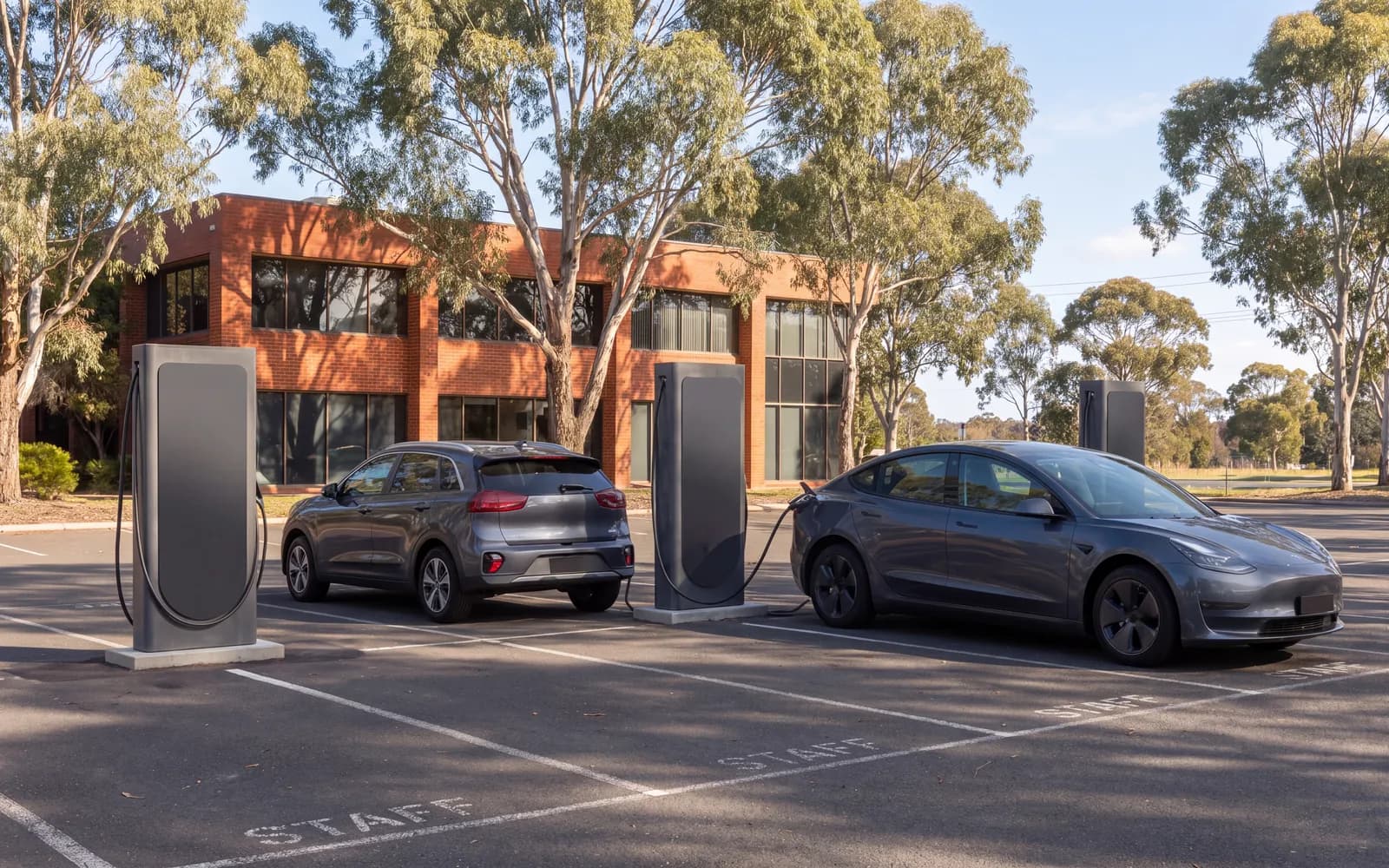
- Shopping centres: drivers park for an hour to shop, plug in and come back to a charged car.
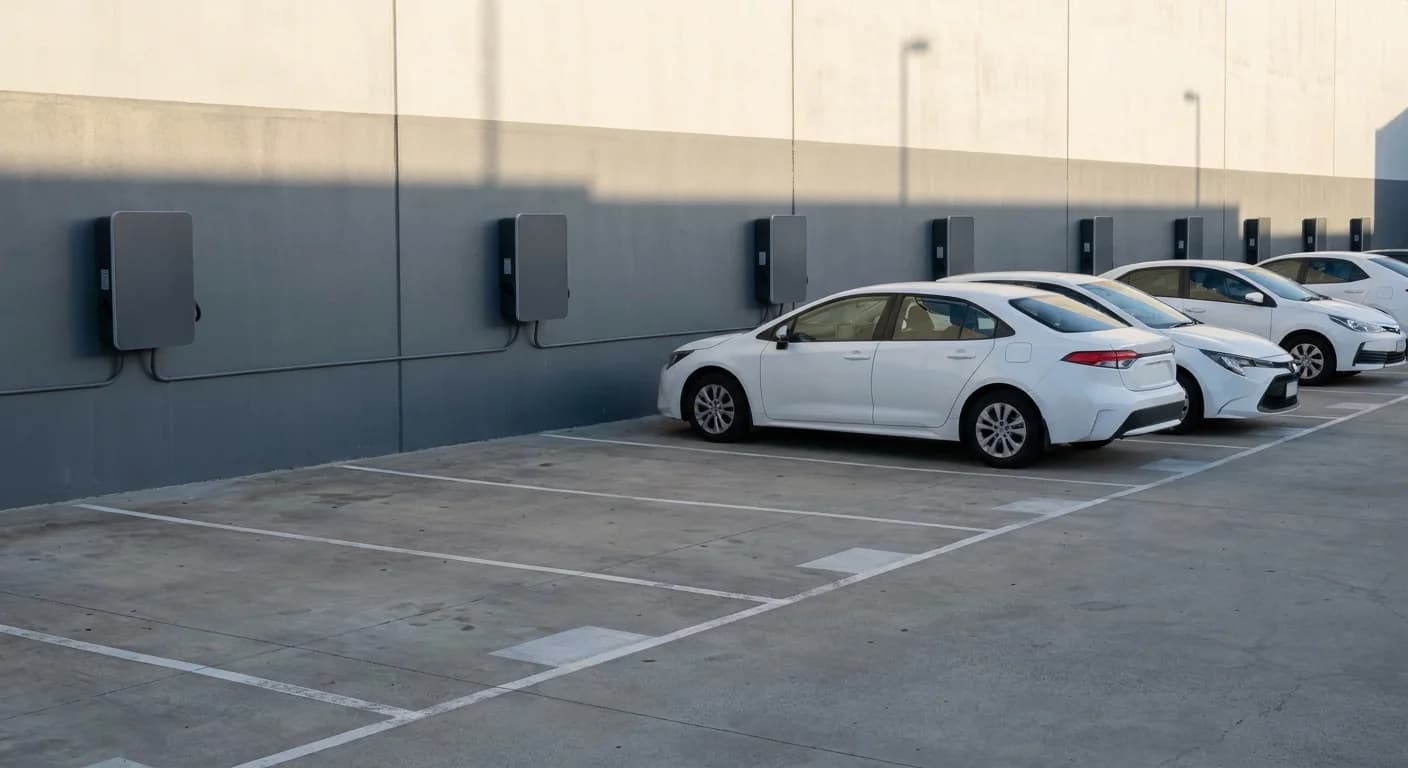
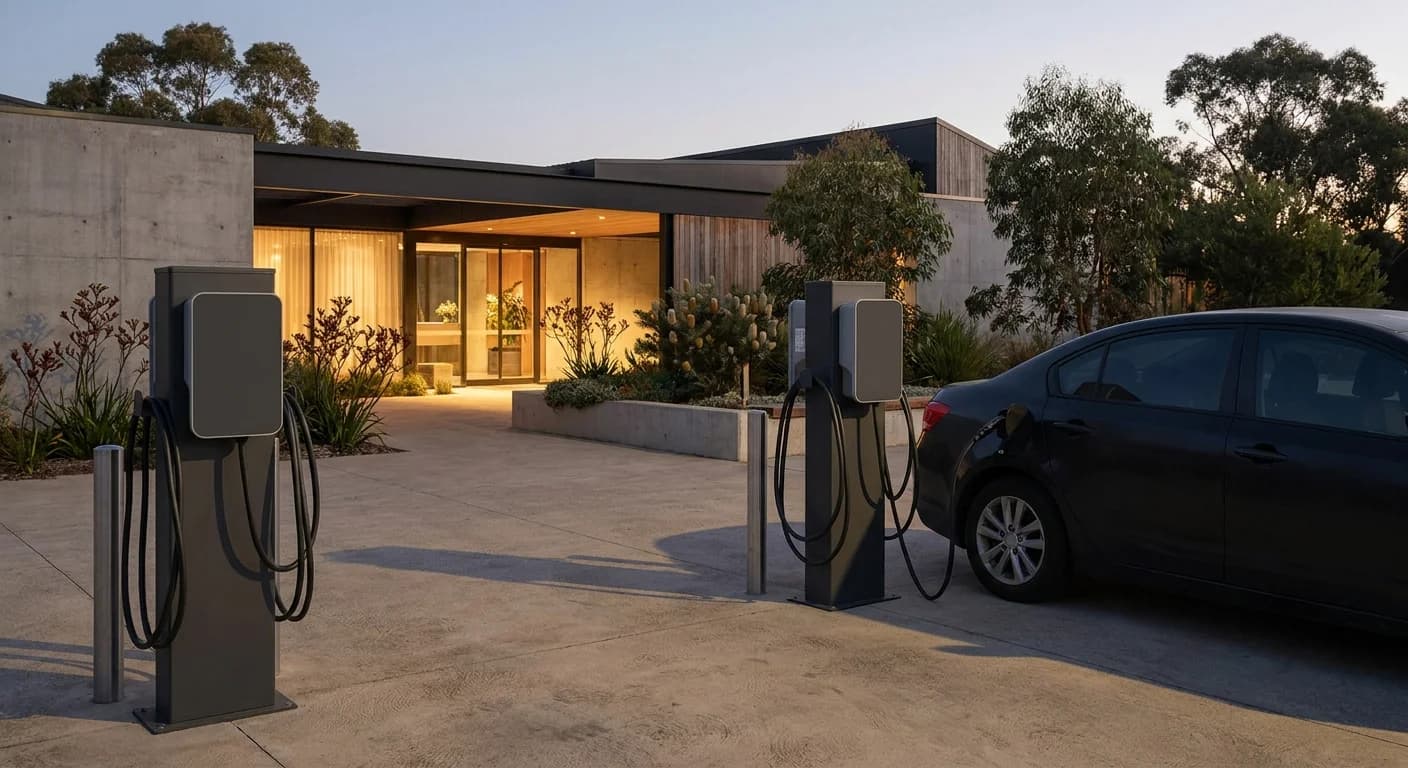
- Hotels and motels: guests charge overnight on AC while they sleep.
- Sites with 30 to 45 minutes of natural dwell time.
- Locations near food, retail or something else to do.
Where They Struggle
Petrol stations are the classic example. Drivers are in and out in five minutes and will not sit for half an hour. "Anywhere where people don't want to sit in their car for twenty minutes, half an hour, they just don't. It doesn't work," Steve says.
- Sites with no food, retail or activity nearby.
- Anywhere a driver would not naturally spend 20 minutes or more.
- Hidden or hard-to-reach bays with no signage.
Match the Charger to the Power You Have
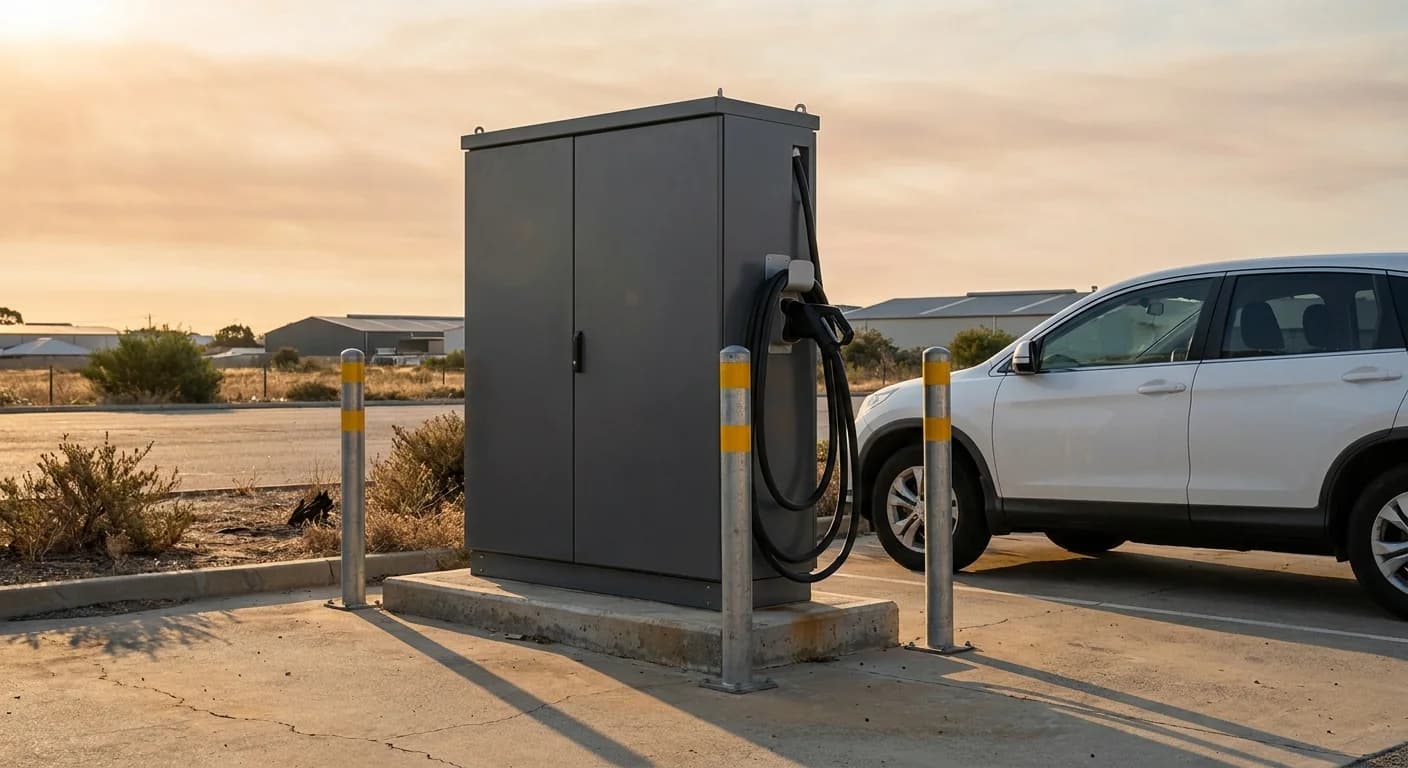
Charger speed is measured in kilowatts, or kW. For public use, 50kW DC is the minimum worth installing, and 120 to 180kW is the sweet spot for a busy site. AC chargers at 11 or 22kW suit hotels and overnight parking but are too slow for high-turnover public charging.
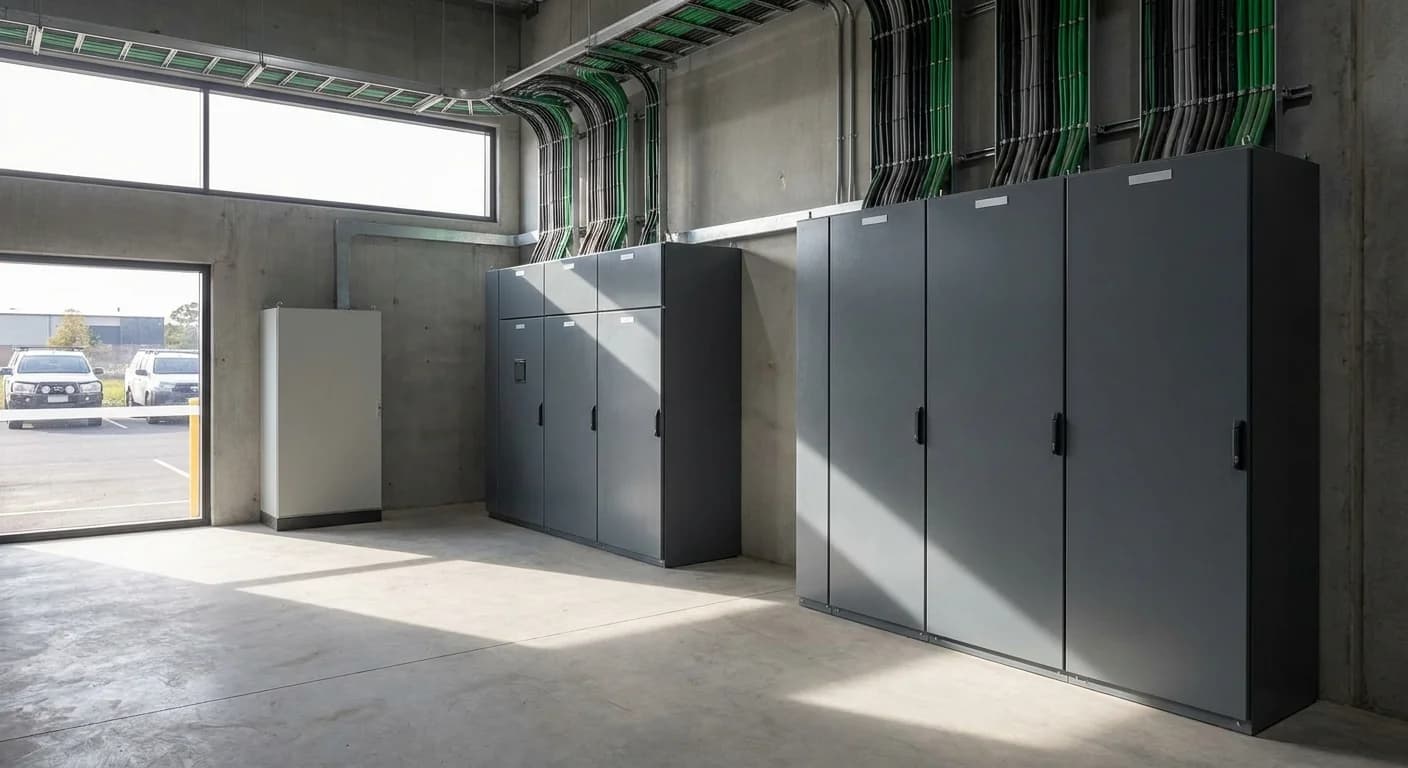
Faster chargers need more power. A 180kW charger needs a 250 amp three-phase supply, the heavier supply most commercial sites have. Many sites do not have 250 amps to spare. A supply upgrade through Western Power, the network operator, can add $10,000 or more and months of delay. Matching the charger to the power already on site is usually the smarter choice. Our guide on whether your business has enough power for EV chargers explains how that is worked out.
- AC, 11 or 22kW: hotels and overnight parking. Too slow for busy public use.
- DC, 50 to 60kW: the entry point for serious public charging.
- DC, 120kW: suits a high-traffic shopping centre with one bay.
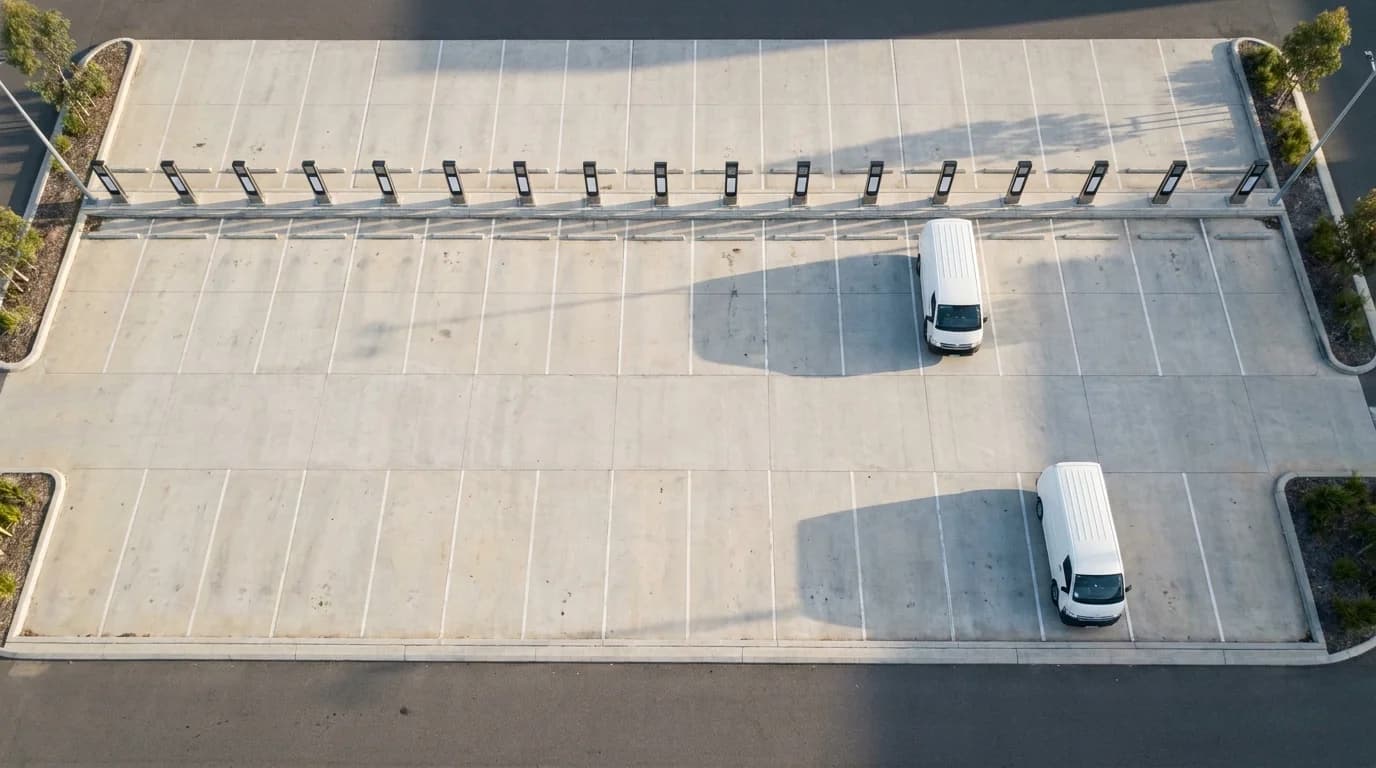
- DC, 180kW dual bay: charges two cars at once on premium sites, and earns the most for the space it takes.
What Installation Costs
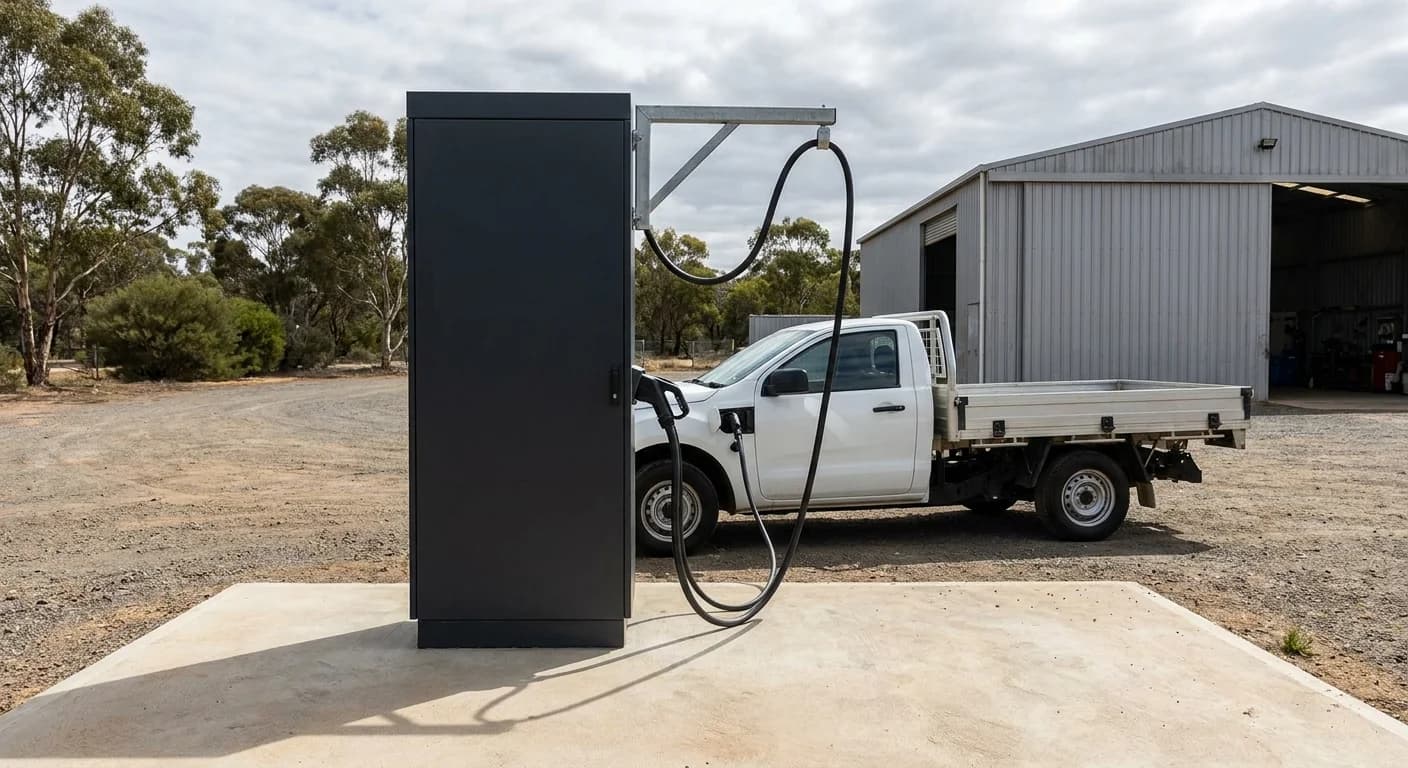
The same charger with the same output can cost anywhere from $60,000 to $120,000 installed. Almost all of that difference is the work to get power to the charger.
Public charging is a big investment, and some whole sites run to about $200,000.
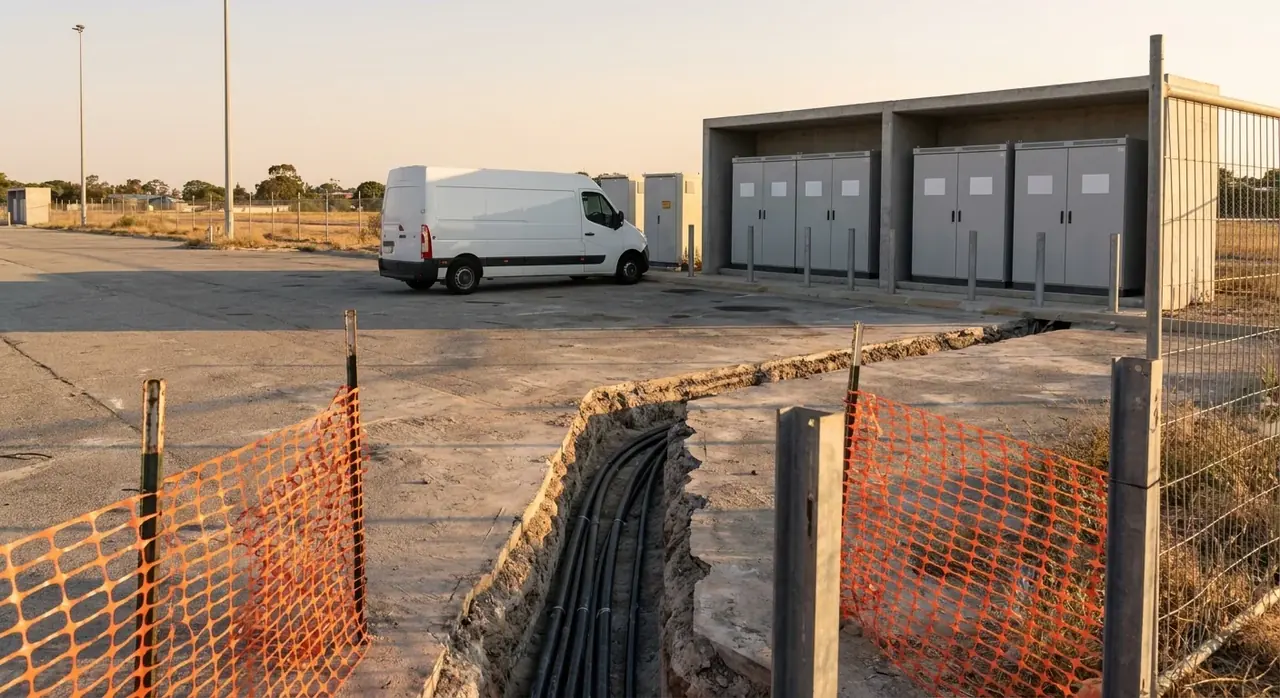
- Distance to power: the closer the charger is to the existing supply, the cheaper the job. Long cable runs, trenching across a car park or cutting concrete add a lot.
- Site conditions: underground services, the surface, access for digging equipment and the bay layout all change the labour and materials.
- The charger itself: its output and number of bays set the hardware cost, which is usually the smaller part of the total.
How Long It Takes to Pay Back
Most public charger installations pay back in 4 to 8 years. Sites with power right beside the bays land at the shorter end. Sites that need trenching through a car park, underground concrete work or long cable runs push toward the longer end.
Steve's view is that public charging in Perth is only just getting started. With far more EVs expected on the road over the next few years, he expects chargers that already make a return to make a stronger one.
How the Money Reaches You
Once the charger is running, collecting the money looks after itself. We set chargers up on Exploren, the charging software we install.
- Drivers find the charger on PlugShare, the main app drivers use, and in the Exploren app, with its speed and price.
- Drivers create an Exploren account, link a card, plug in and charge. Your staff do nothing.
- Exploren collects the payments through the month and takes its software fees from each transaction.
- At the end of the month you are paid one lump sum, with a breakdown of every session.
You Set the Price
You set and change the price yourself in the Exploren dashboard, at any time. You can charge a flat rate per kWh, a plug-in fee plus a rate per kWh, or different prices by time of day, with a discount off-peak to bring drivers in. Our guide on taking payment on EV chargers covers the payment options in more detail.
"It's set and forget. Owners don't have to collate and collect money, it just automatically happens for them," Steve says.
Getting Drivers to Use Your Charger
Being easy to find is most of the job. Two things bring drivers in: being listed where they look, and being obvious once they arrive.
- PlugShare and the Exploren app list the charger for you, with its price, speed and whether it is free right now.
- Paint or wrap the wall behind the charger with EV fast charging branding.
- Show the speed, such as 150kW fast charging.
- Mark the bays and add clear signs from the car park entry.
- Make the chargers visible from the road if you can.
A Reliable Charger Protects the Revenue
Drivers talk, and the charging apps show reviews. Steve's warning is that a public charging site that gets a bad reputation is very hard to turn around, so the charger has to be easy to use and reliable from day one.
That is why we recommend a service every 12 months, and more often for public chargers that see heavy use. Each service includes RCD testing, which checks the safety switch that cuts the power if something goes wrong. It ends with a full electrical safety certificate. To see what a public charger would cost and earn at your site, book a site assessment. We will look at your power supply, traffic and layout. Destination charging and DC fast charging cover the two kinds of public charging we install.