DC Fast Charging Installation in Perth
Dealerships and public sites
DC fast charging for Perth dealerships, service centres and public sites, installed and commissioned by our own electricians.
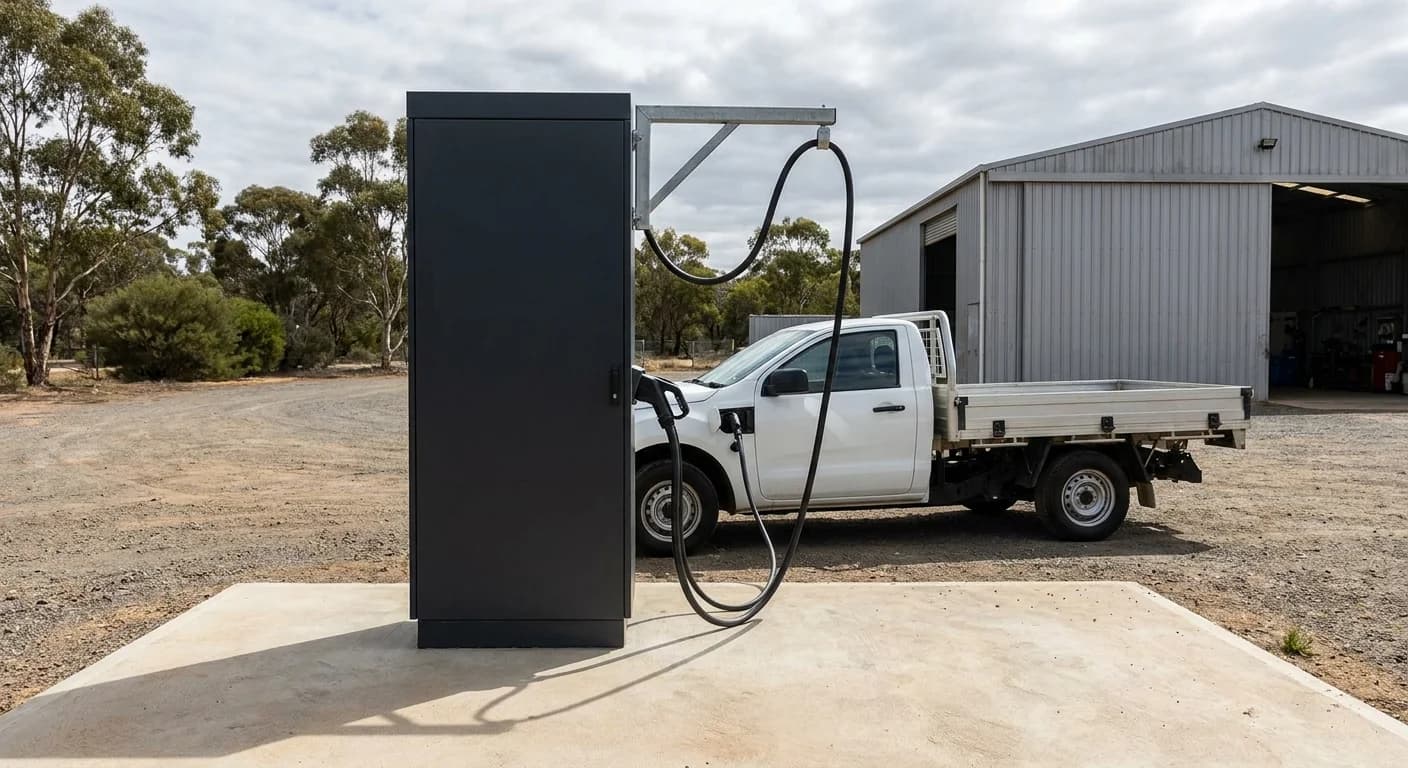
- Typical hardware
- Ocular DC fast chargers
- Billing
- Tap to pay, usage reporting
- Lead time
- Up to 2 months for larger DC units
- Support
- Bronze, Silver or Gold SLA
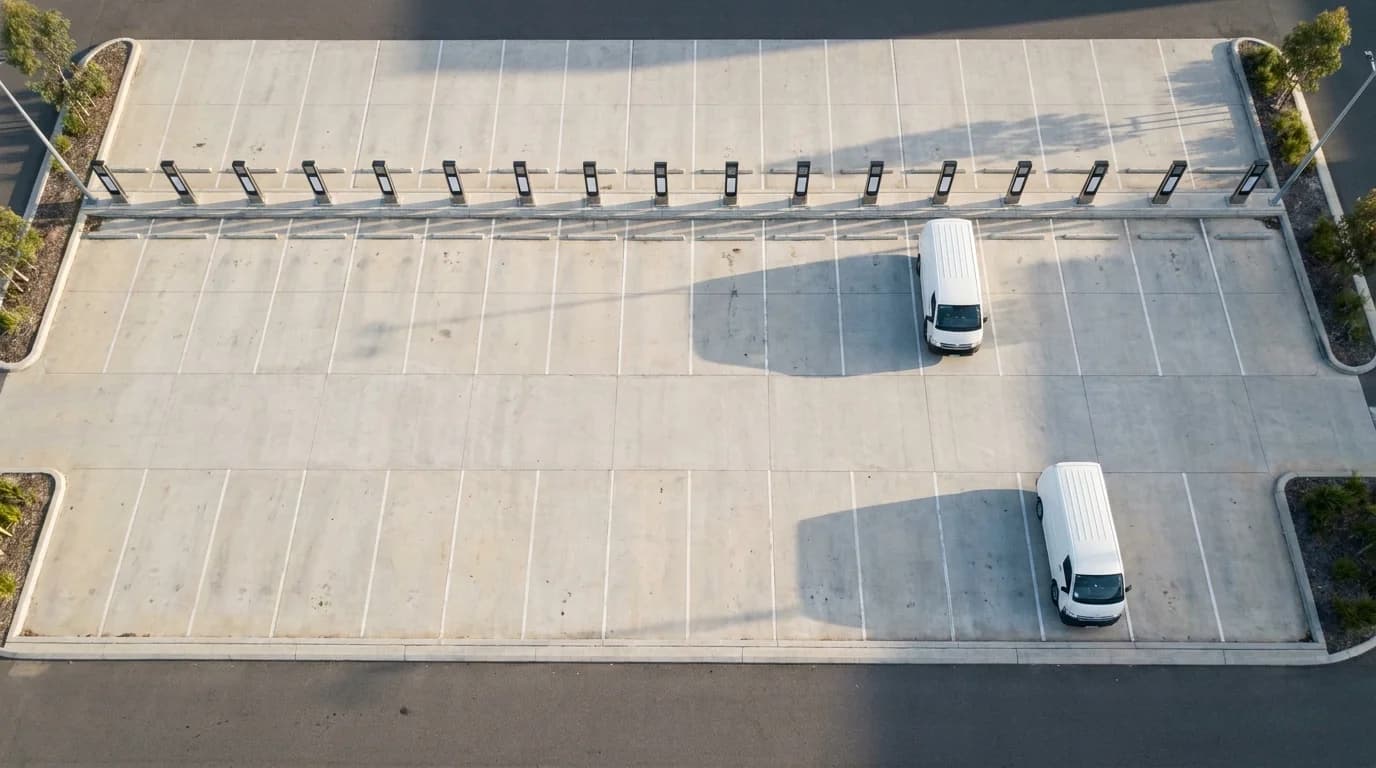

How a DC fast charging install runs
Five steps. Lead time runs to two months on larger units.
- 01
Supply check
We work out what the site can carry as it stands.
- 02
Options
Load management and staging are looked at before any supply upgrade.
- 03
Proposal
Hardware, civil works and billing, itemised in one price.
- 04
Install
Licensed electricians, and a Certificate of Electrical Safety on completion.
- 05
Commission
Tap to pay goes live and usage reporting is switched on.
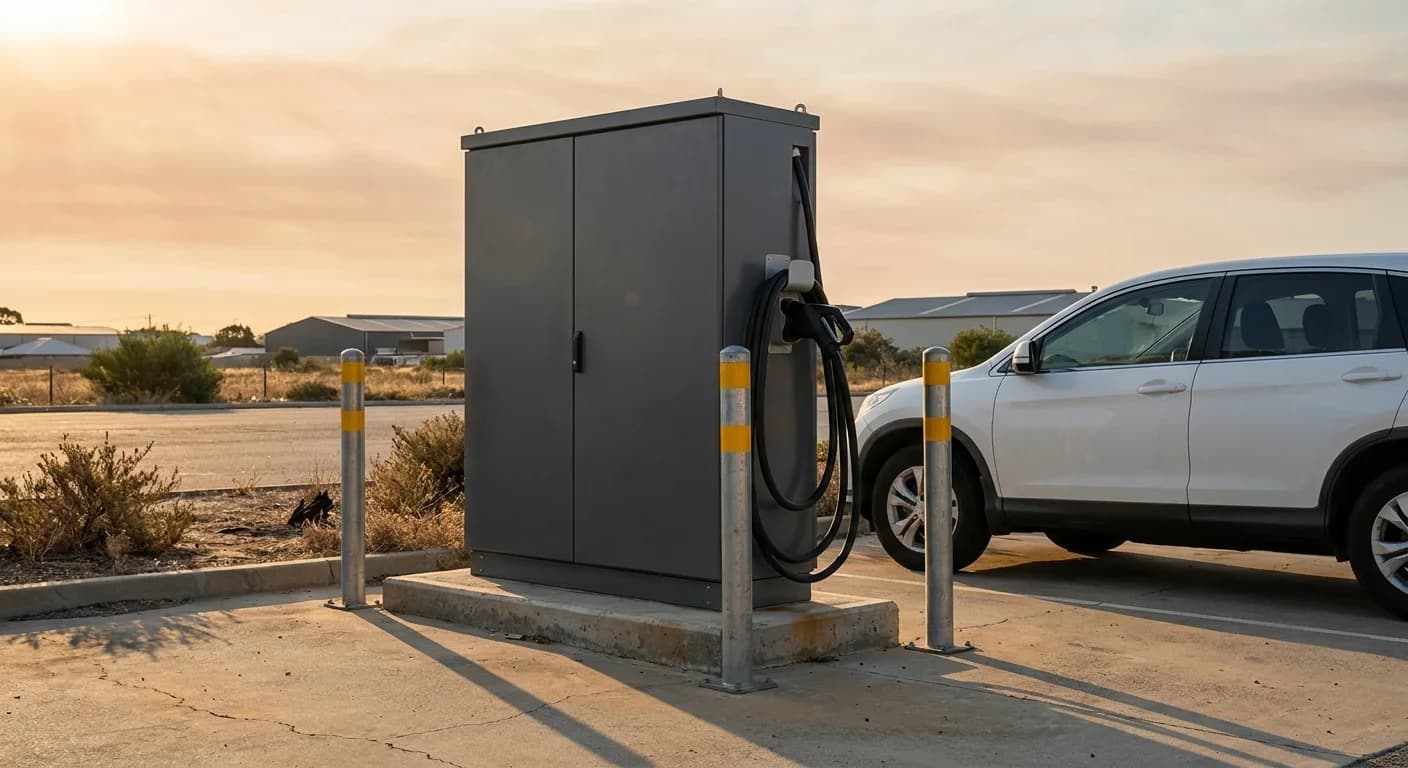
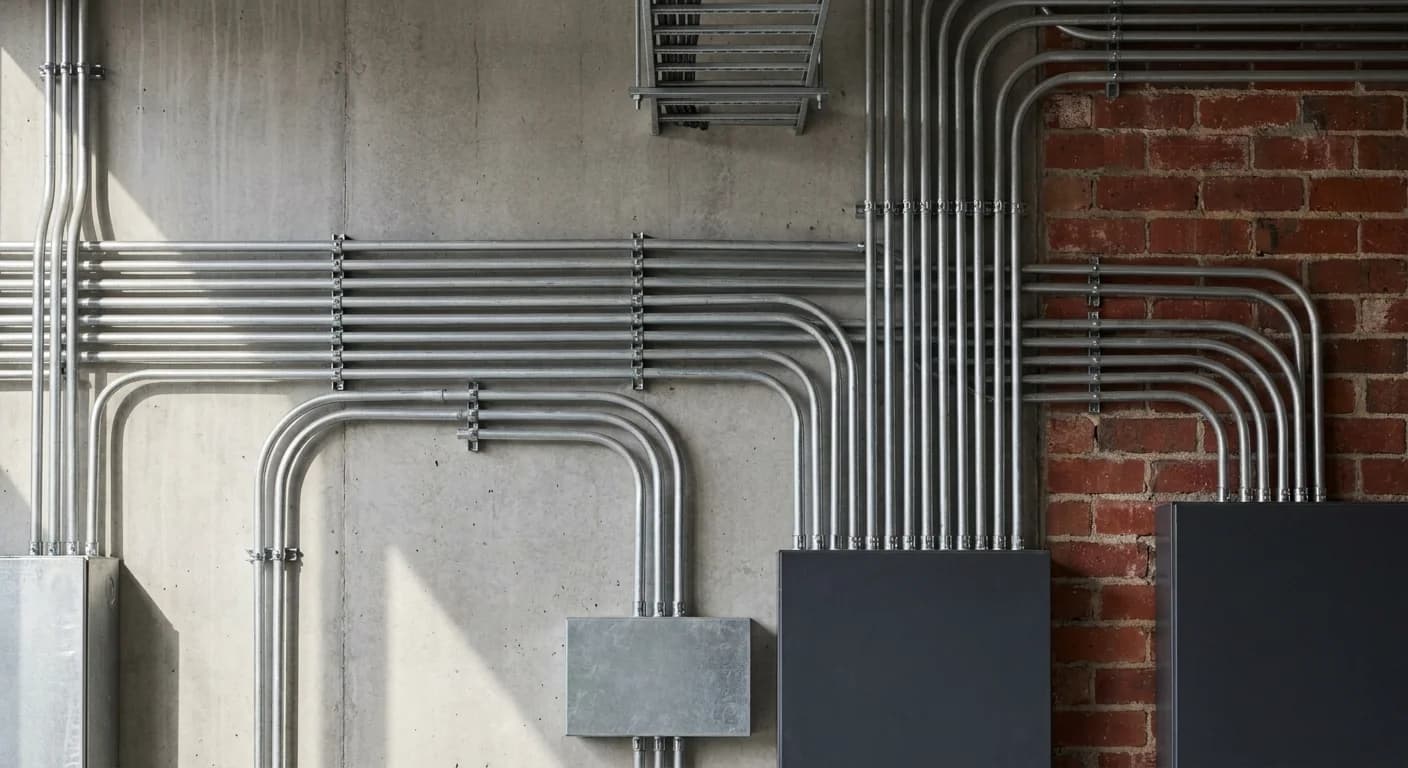
What a DC fast charging install includes
Included

Supply assessment before anything is quoted

Load management and staging options

Itemised proposal, hardware and civil works

DC unit install and commissioning

Tap to pay billing and usage reporting

Certificate of Electrical Safety and two year warranty
Book a site assessment
We look at the supply before anything is quoted. 2 years on parts and labour.

The window is tight. That is what decides the hardware.
Dwell time
A vehicle between jobs: plugged in from 1pm to 1:45pm, 45 min in total, of which 36 min is spent charging, leaving 9 min spare.
- Plugged in
- 45 min
- Actually charging
- 36 min
- Spare
- 9 min
Forty five minutes standing still. Only DC fits inside that.
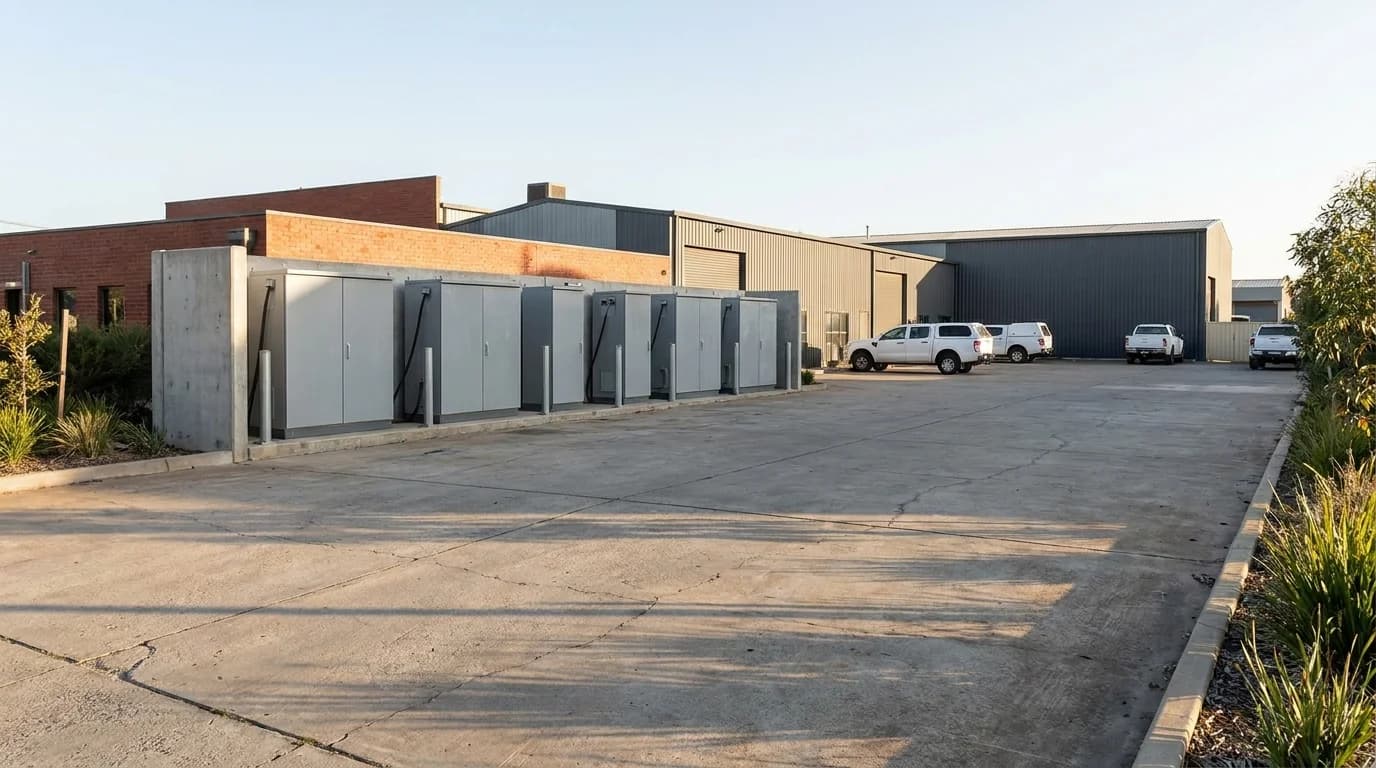

DC fast charging across the Perth metro.
Where we work
A DC unit is a supply question before it is a hardware question
Worth knowing
DC fast charging draws more at once than anything else on a commercial site, so the first thing that decides whether it is possible is the capacity of the existing connection. An electrical contractor cannot install equipment that exceeds it, which is why the supply check comes before the quote rather than after it.
Where the site genuinely needs more, the supply change is an application to Western Power, priced by the network on a published rate, and it carries its own lead time on top of the unit's. Staging the install, or pairing one DC unit with AC bays, is usually the cheaper way to the same outcome.
Source: Western Power, the network operator for Perth and regional WA.
DC fast charging questions
Questions
Tap a question to open it.
01Can the public pay to use our DC charger?
Yes. The software supports user authentication, tap to pay billing and usage reporting, so a unit on a commercial site can charge the public and account for it.
02Why is DC so much slower to install than AC?
The units are larger, the lead times from the manufacturer are longer, and the electrical work is heavier. Two weeks is realistic for AC. For a larger DC unit, plan on up to two months.
03Do we need three phase power for a DC charger?
Yes, and usually a decent amount of it. That is the first thing checked at the site visit, because it determines whether the unit you want is possible at all, or whether it needs staging or load management.
04How much space does a DC unit need?
More than people expect. The cabinet has a footprint, it needs clearance for airflow and service access, and the cable has to reach the vehicle's port from where the vehicle can actually park. We mark it out on site.
05Which connectors do they support?
CCS2 is the standard on Australian vehicles and is what we specify. If your fleet includes anything older or unusual, tell us at the enquiry and it goes into the design.
06Is DC worth it for a small fleet?
Often not. If four vehicles sit overnight, AC does the job for a fraction of the cost. DC earns its price when a vehicle has to be usable again within the hour, and we will say so if yours does not.
07What happens if the unit goes down?
Remote monitoring flags the fault when it happens rather than when someone reports it. How fast we are on site is the service level you choose: standard, priority, or a guaranteed response written into the agreement.
08Can DC and AC run on the same site?
Yes, and on most sites that is the right answer. AC for the vehicles that sit, one DC unit for the ones that cannot. Load management keeps the pair inside the supply.
More on commercial EV charging in Perth, or see the areas we install across.
Let us look at your site.
We assess the supply, the vehicles and the timeline, then put an itemised proposal in front of you.